

|Impact of Air Pollution on Female Fertility
Ovarian reserve, a term widely adopted to reflect the number of resting follicles in the ovary, represents the functional potentiality of the ovary, reflecting the number and the quality of oocytes and thus is a marker of potential female fertility, has been found in studies to be adversely affected by high levels of air pollution

Several in-vitro and in-vivo studies suggested that air pollutants could also act as endocrine disruptors, by interfering with hormone biosynthesis, signalling or metabolism and could promote oxidative stress and exert genotoxic effects
In one study, results from the Ovarian Reserve and Exposure to Environmental Pollutants (ORExPo study), a ‘real-world data’ study using anti- Müllerian hormone (AMH) measurements taken from more than 1300 Italian women, has been presented by investigator; Professor Antonio La Marca from the University of Modena and Reggio Emilia, Italy. AMH is secreted by cells in the ovary and therefore is now widely recognised as a reliable circulating marker of ovarian reserve
In this research, the assessment of environmental exposure considered daily particulate matter (PM) and values of nitrogen dioxide (NO2), a polluting gas which gets into the air from burning fuel. The database was completed, including environmental data, considering the city where each patient lived. Daily particulate matter (PM) and NO2 exposure were registered through the monitoring network of the quality of the air for the province of Modena (http://www.arpa.emr.it/v2_rete_di_monitoraggio. asp?p1=4MO&idlivello1=41637
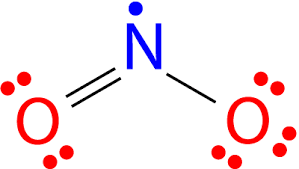
Results from the 1463 AMH measurements collected from 1318 women firstly showed that AMH levels were inversely and significantly related to environmental pollutants defined as PM10 (P=0.001), PM2.5 (P=0.021) and NO2 (P<0.001). This association was age-independent. In conclude, the negative effect of air pollution on ovarian reserve of women was confirmed in this study
Ref: La Marca, A., Spaggiari, G., Domenici, D., Grassi, R., Casonati, A., Baraldi, E., … & Santi, D. (2020). Elevated levels of nitrous dioxide are associated with lower AMH levels: a real-world analysis. Human Reproduction, 35(11), 2589-2597
This post is also available in: Persian




Leave a Reply
Want to join the discussion?Feel free to contribute!